
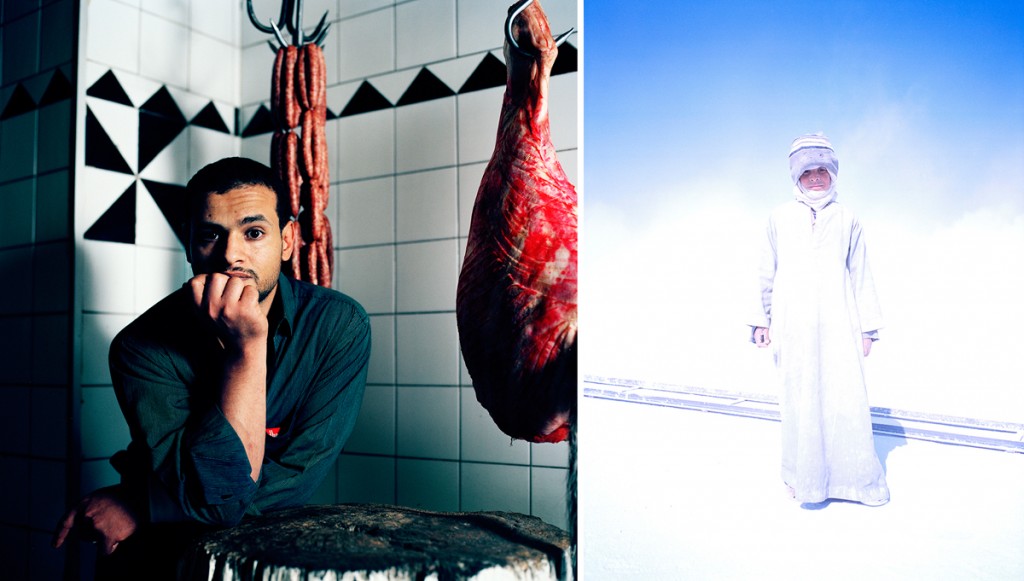
© Myriam Abdelaziz | 1. From the series Butchers. | 2. From the series Menya’s Kids.
1. A graduate of the International Center of Photography (ICP) in New York City in 2006, your education has involved working on film from the start of your career as a photographer: have your film-based artistic practices changed since then, and if yes how?
Not really, I still shoot mainly in film, I gave up 35 mm for digital but the medium format is here to stay for me.
2. For most people, the recurring question on the topic of the film medium is “why”? Why photographing on film in 2013? What would your answer to them be (besides why not )?
Well the approach is really different, using film is about slowing down and thinking more before shooting. I like this approach better for my personal work, I produce less frames but also spend less time editing.
3. Do you photograph digitally as well? If yes, what’s your rationale for it?
I do photograph digitally as well but mainly when on assignment so I can shoot more and faster without having to worry about post production issues when I am in remote locations or if there is just no labs available to process the rolls. Clients usually like to have the possibility to choose the frames they want, so photographing with a digital camera gives me the possibility to propose a wider selection.
4. Your work as a Middle Eastern Woman Photographer Collective member (RAWIYA) is wonderfully terrifying just as much as terrifyingly wonderful, oscillating between politically charged documentary series (Transition, Egyptian Revolt, Portrait of a Genocide) and quieter, culturally inquisitive journeys, notably in the worlds of manhood (Butchers, Men Dreaming, Halal). Film photography aside, how would you describe the reality of being a woman photographer today?
In Egypt, things are particular because the status of women is different than in other regions. If I talk particularly about my experience of being a Middle Eastern Photographer in Egypt I can say that working can become very complicated because of issues such as sexual & verbal harassment, etc… but sometimes things can become much easier than if I was a man as in the Middle East women are considered to be less of a threat than men, just because they are seen as vulnerable … that paradoxically open doors.
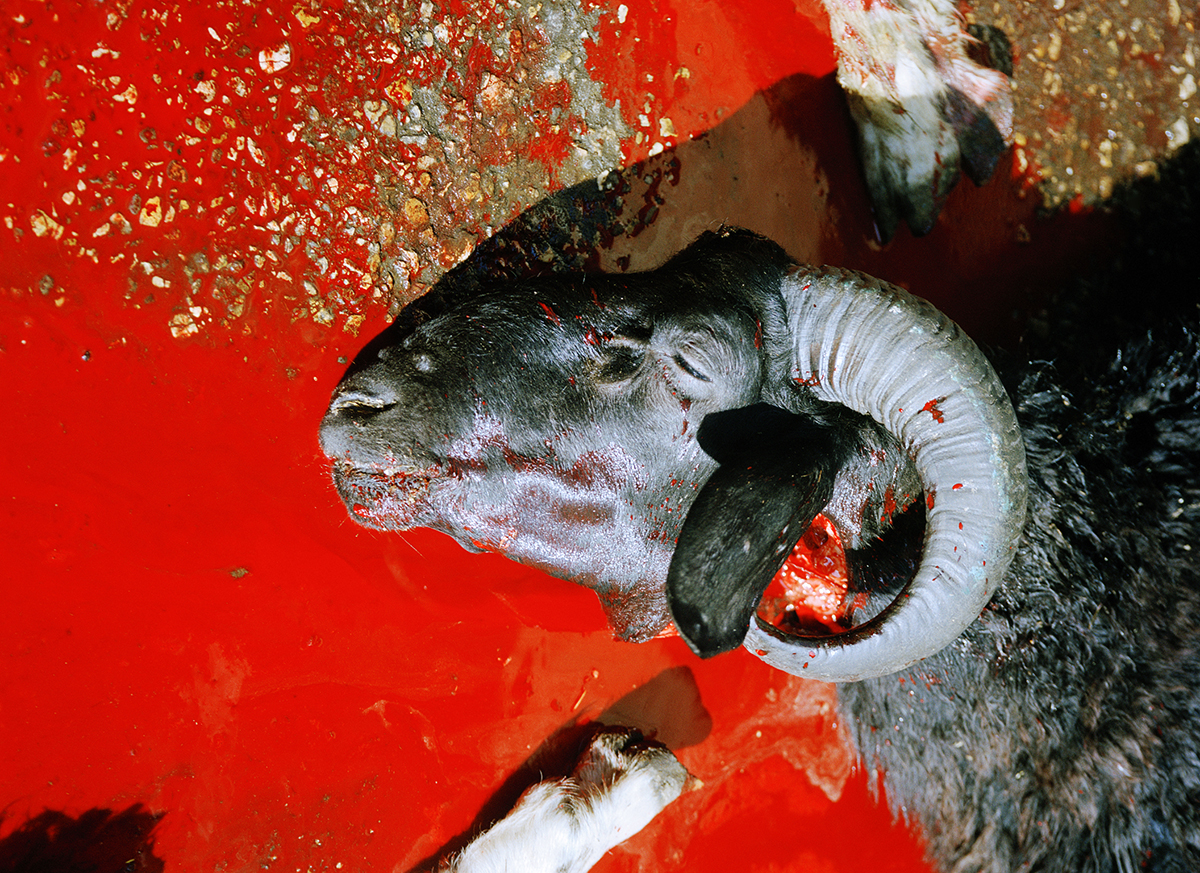
© Myriam Abdelaziz | From the series Halal.
5. FOTOFILMIC is dedicated to promoting the new generations of photographers attached to film today: what essential advice or recommendation would you have for them?
Find a sustainable archiving system and stick to it early on. Negatives require a specific treatment so don’t under estimate the time, expenses and commitment that this involves.
6. You live in the Big Apple, how is film photography doing there? Do you still find easy access to photographic labs and analog photography stores? Would you agree to say New York City remains one of the rare places where film photography is still in demand?
I find film and can do all my post production with labs with no issue. Art photographers still use a lot of film so yes, it remains available, still I sometime get cold sweat hearing rumors about companies discontinuing it etc. But so far so good…
7. What have you been up to recently? Any recent achievements, projects, news?
I am recently enrolled in a Photography MFA program, that will be keeping me quite busy for the next 2 years, hoping to produce exciting new work during that time frame.
8. If anything was possible, what would be your next ultimate project photography-wise (or else)?
I think I am contemplating the idea of producing more ‘fine art’ work and distancing myself a little bit from traditional documentary and portraiture for a while…
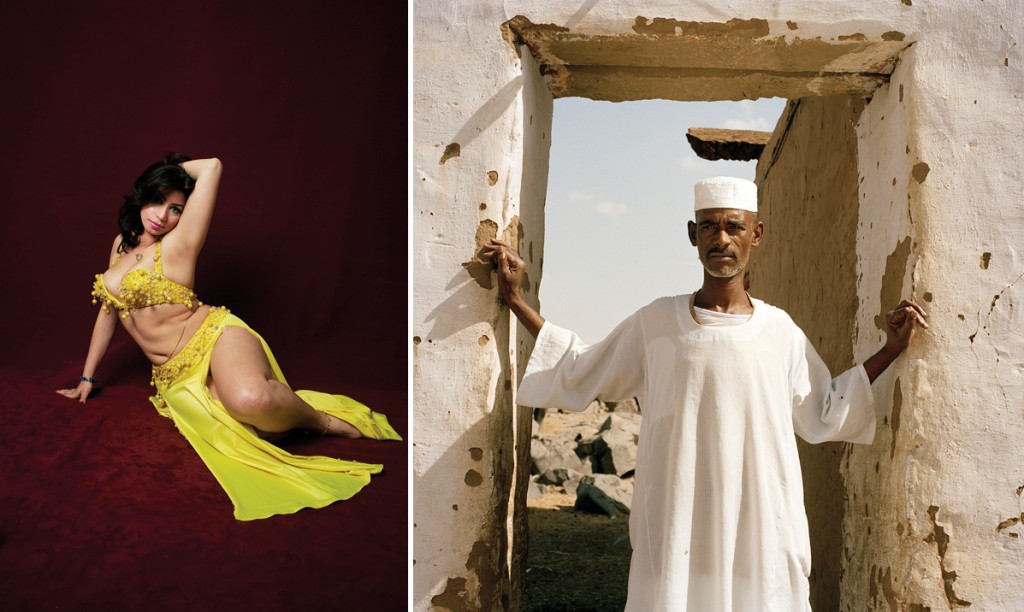
© Myriam Abdelaziz | 1. From the series Cairo Dances. | 2. From the series Going South.
© All photos by Myriam Abdelaziz
Myriam Abdelaziz’s website
________________
FotoFilmic’s new FILM TALKS series is all about sharing experienced views, artistic endeavors, industry outlooks and how to reshape the contemporary practices at the center of the film photography medium today. FILM TALKS invite advanced artists, independent publishers, photo editors and art dealers, as well as the broad creative crowd of visual arts to engage in insightful dialogues with FotoFilmic about film photography in all aspects.